
Bespoke Experiences: Why Emotional Resonance is the Real ROI
For a long time, corporate hospitality has been defined by what can be easily measured. Attendance, the calibre of the guest list and the perceived prestige of the invitation have been seen as indicators of success, yet they increasingly fall short when it comes to understanding what truly drives long-term value in client relationships. The challenge is that presence alone does not guarantee connection. Many clients now attend multiple high-profile events each year, often in similar formats, and while the experience may be enjoyable in the moment, it rarely leaves a lasting impression. What ultimately matters is not simply the experience itself, but what is remembered.
The experiences that stay with us are rarely defined by scale or spectacle alone, but by a sense of relevance and consideration. They feel personal, even within a broader setting, because there is a clear sense of intent behind them. At their best, they create an environment in which individuals feel seen, heard and understood, often through small, thoughtful details rather than overt gestures. It is a principle that sits behind the way we approach Bespoke Experiences at Parade, creating opportunities for our clients to engage their most important audiences in a way that feels natural rather than commercial, where the experience itself becomes the expression of the relationship. It is this emotional resonance that shapes how an experience is remembered, and how a relationship develops over time.
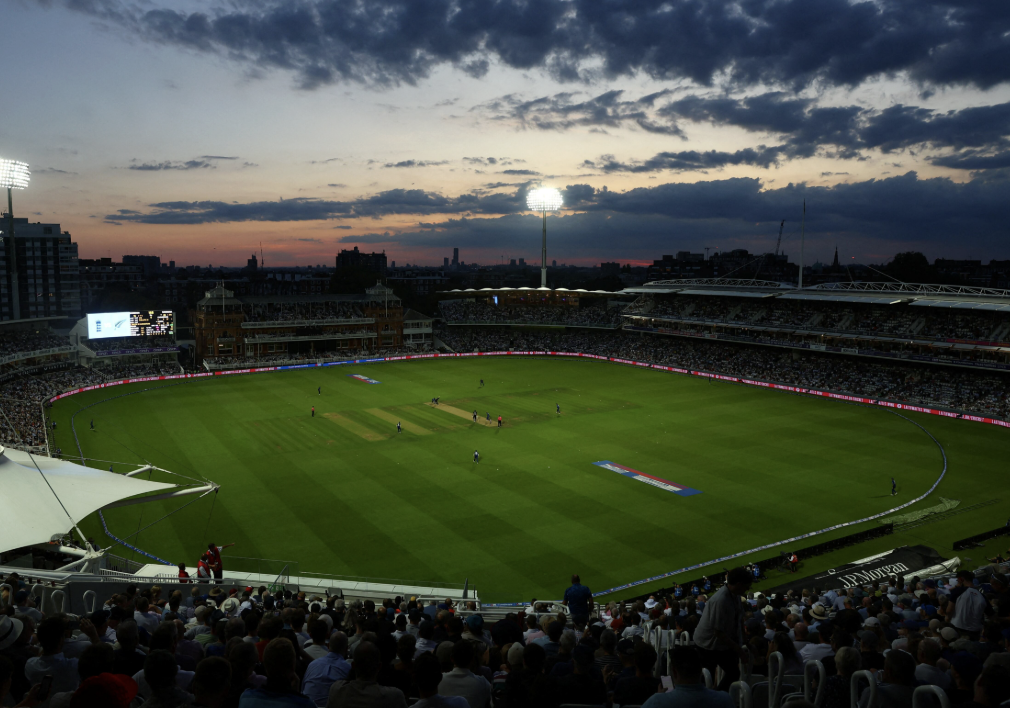
An Evening at Lord’s for example, offers a clear illustration of this. The setting alone carries weight, particularly for those with a genuine appreciation of the game, where the ground represents far more than a venue. It is this context that gives the experience its depth. Beginning with a private net session alongside a former England cricketer Sir Alastair Cook and Andrew Strauss, guests are not simply observing, but stepping into an environment that is usually reserved for those at the very highest level. That shift, from spectator to participant, creates a sense of proximity that feels both rare and personal, and it is often this moment that stays with them long after the evening has ended.
As the evening unfolds, that sense of connection deepens. A guided tour through the Pavilion, the Media Centre and the changing rooms offers a perspective few are able to access, bringing the history and inner workings of the ground to life in a way that feels both personal and considered. The experience then moves into a more intimate setting, where a three-course dinner creates space for conversation to develop naturally. Hearing first-hand reflections on leadership, pressure and performance from those who have operated at the highest level adds a different dimension, allowing guests to engage in a way that feels genuine rather than orchestrated.
What this demonstrates is that the value of an experience is not defined by a single moment, but by how it is remembered. The impact is rarely immediate or easily measured, but is instead reflected in the strength of the relationship that follows. The conversations that continue, the associations that are formed and the perception that endures are what ultimately create long-term value.
For brands, this requires a shift in perspective. It is not simply about what is offered, but how it is experienced. Because while moments may capture attention, it is memory that shapes perception, and ultimately defines the return.