
A New Kind of Nostalgia
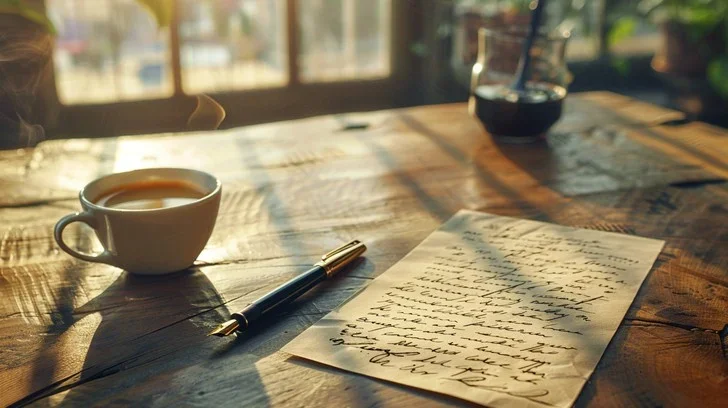
There’s a particular comfort in encountering something that feels familiar, even if you can’t quite place why. A handwritten note in a digital world. The quiet ritual of making tea properly. The soft crackle of a record playing in the background.
These moments aren’t significant in themselves, but they carry weight. They suggest a different pace. A different level of care.
What we’re seeing now is a broader return to that feeling. Not nostalgia in the traditional sense (not a longing to go back) but a growing appetite for experiences that feel more considered, more tangible, more human.
It shows up in small, telling ways. Film cameras in the hands of people who never grew up using them. The continued rise of vinyl. The appeal of markets, craft, and anything that invites slower, more deliberate engagement. These aren’t simply aesthetic choices. They reflect a deeper shift in what people are looking for.
When the present feels fast and uncertain, people look for reassurance. Research supports this: nostalgic thinking has been shown to increase feelings of connection and optimism. But what’s particularly interesting is that much of today’s nostalgia is borrowed rather than remembered.
It’s not about returning to a specific past. It’s about reaching for what that past represents - simplicity, care, a sense of time being taken. Not as a rejection of progress, but as a counterbalance to it.
The resurgence of bread-making during the pandemic, for example, was never just about food (although for us, it was definitely about butter!). It was about rhythm and repetition, the satisfaction of making something slowly, by hand. In the same way, the return to letter writing isn’t about abandoning technology, it’s about intention. The act of choosing words carefully, of creating something that can be held onto.
For us, this has a direct relevance, because the most effective guest experiences already operate in this space. They aren’t defined by scale or spectacle, but by how they make someone feel looked after - often through details that are easy to overlook.
A framed photograph placed next to a guest's bed.
A moment of pause built into an otherwise busy schedule.
A setting that feels calm and considered, rather than overly programmed.
These aren’t nostalgic gestures for the sake of it. They work because they signal something deeper: that time has been taken, that care has been applied.
It’s also worth recognising that nostalgia is highly personal. What feels familiar or reassuring to one person may not resonate at all with another. The role isn’t to recreate a generic version of the past, but to understand what feels meaningful for a specific audience and build around that.
For brands and experiences, the opportunity sits in that balance. Not to replicate the past, but to understand what people are reaching for and why, and to respond with a level of care that feels both relevant and real.