
There Are Two Cannes Film Festivals - And Most People Only See One
Laura’s Perspective
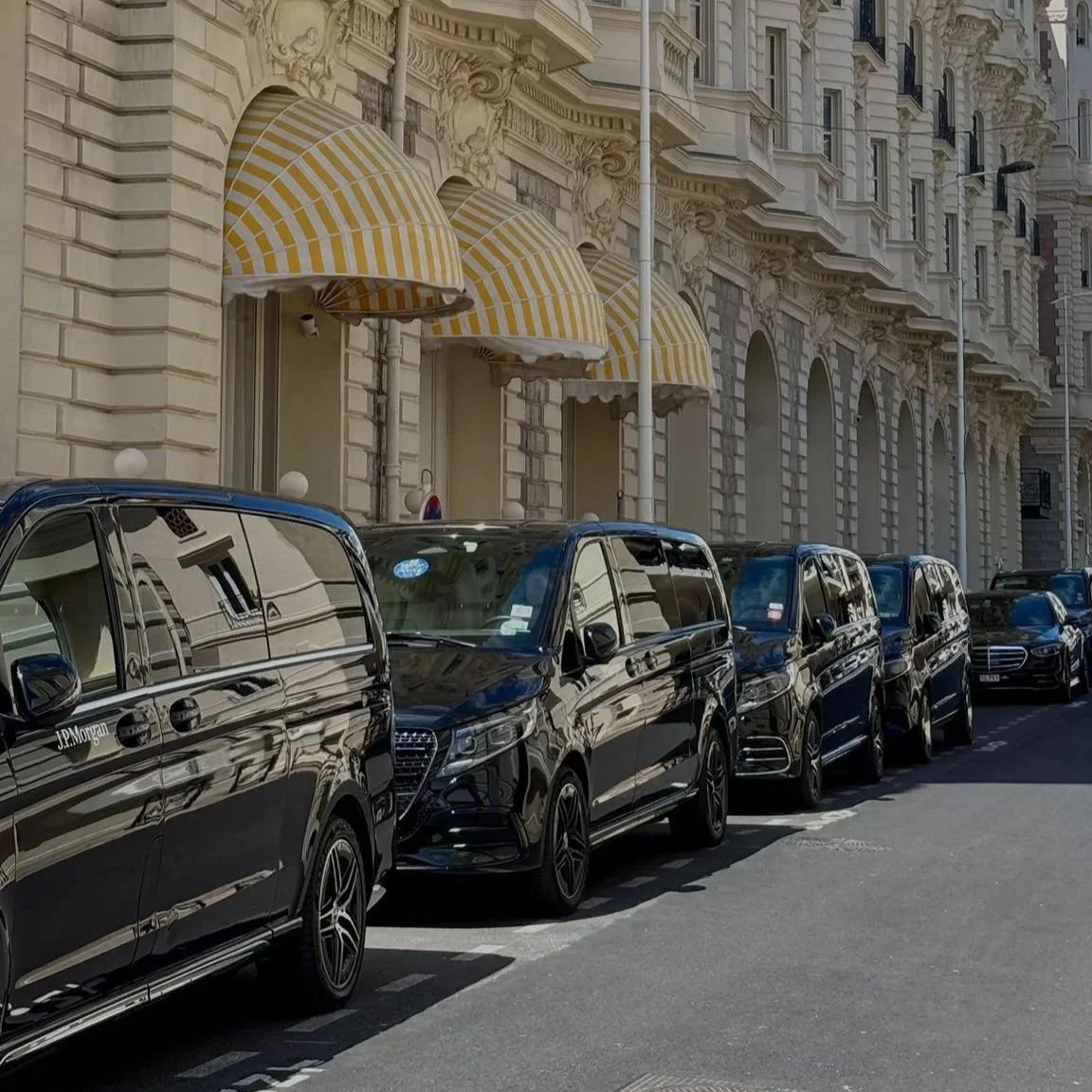
Before attending the Cannes Film Festival for the first time this year, I imagined the experience would revolve almost entirely around cinema. The premieres, the screenings, the red-carpet moments, the photographers gathered outside the Palais. And of course, those things are all very much there.
What surprised me most, however, was discovering the dimension of the entirely separate ecosystem operating around it.
Alongside the official festival exists another Cannes. One built not solely around film, but around hospitality, access, brand positioning and carefully curated experiences. A temporary world emerges for two weeks each year where beach clubs become networking spaces, villas transform into private brand residences, yachts become meeting rooms, and restaurants operate as extensions of global luxury houses.
In many ways, it feels less like attending a festival and more like stepping into a living ecosystem of influence, relationships and experience design.
What became immediately clear is that much, if not even most of Cannes, now happens outside the screening rooms. Some invitees and most people working on the festival don’t, in fact, even see a single film (such a shame if you ask me).
The most sought-after invitations are often not for premieres, but for the private dinners and parties afterwards. The real value lies not only in access to celebrities, but in access to the right conversations, the right introductions and the right environments. Luxury brands understand this deeply. Increasingly, their presence at Cannes is not simply sponsorship or visibility, but hospitality-led storytelling.
Some create intimate wellness sanctuaries away from the noise. Others host discreet dinners with highly curated guest lists. Fashion houses, jewellery brands and beauty companies quietly build immersive worlds designed to strengthen emotional connection with their most valuable clients.
It is hospitality and client treatment, not as a supporting function, but as a strategic tool.
From the perspective of Parade, this was perhaps the most fascinating observation. The role of luxury hospitality within these environments has evolved significantly. It is no longer simply about organising logistics or providing VIP treatment. It is about shaping how people feel, move, connect and experience the moments they spend onsite.
The most successful experiences at Cannes rarely felt the loudest. In fact, the opposite was often true.
The moments people spoke about most were usually the ones that felt effortless, personal and thoughtfully composed. A perfectly timed transfer. A calm space away from the crowds. A dinner where every guest felt intentionally selected. The feeling that someone, somewhere, had anticipated needs before they arose.
That level of seamlessness, as people operating in that sphere know very well, requires an enormous invisible infrastructure behind the scenes. Concierge teams, hospitality directors, guest managers, chauffeurs, producers, villa staff, security, assistants and operational teams all working in sync to create an experience that appears entirely natural to the guest.
Perhaps that is the real luxury now: not excess, but ease.
Cannes revealed something much bigger than the film industry itself. It offered a glimpse into how modern luxury brands are increasingly building relationships through experiences rather than transactions, and how hospitality has become one of the most powerful forms of brand communication.
For businesses operating in the luxury space, that shift feels significant. The brands that stand out are no longer necessarily the ones creating the biggest spectacle, but the ones creating environments where people feel most comfortable, most connected and most understood.
And somewhere between the hotel terraces, yachts and late-night dinner parties, it became clear that there are indeed two Cannes Film Festivals.
Most people only ever see one.